
The World Bank Group has approved $150 million in financing for a new urban development programme in Pakistan’s Sindh province, aimed at improving municipal infrastructure, strengthening local government finances and expanding the capacity of cities to deliver essential public services.
The Sindh Property Revenues Enhancement Program (Sindh PREP) will support reforms to urban property tax collection and municipal financial management, with approximately 70% of collected property tax revenues earmarked for reinvestment in local infrastructure and services.
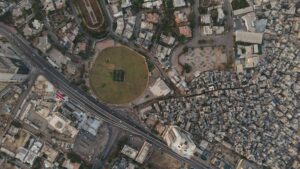
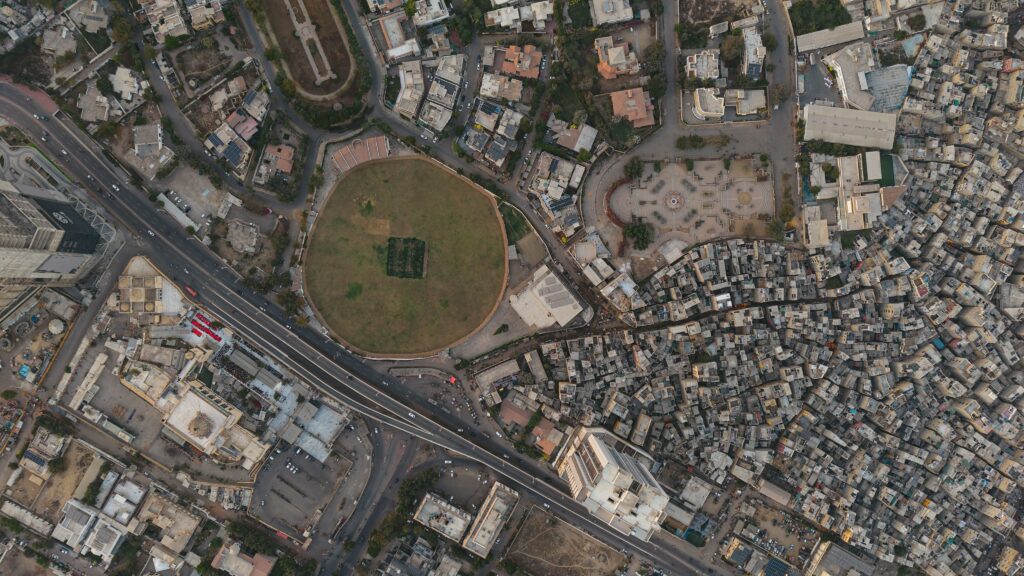
The programme will initially benefit Karachi’s 25 local councils, supporting infrastructure improvements for approximately 3.58 million residents.
A further component will extend property tax administration reforms to 20 local councils in other urban centres across Sindh, indirectly benefiting an estimated 4.5 million people.
Karachi targets tenfold increase in property tax revenue
A central objective of Sindh PREP is to strengthen the financial capacity of local authorities to plan, fund and deliver infrastructure projects.
Despite its size, Karachi currently collects approximately $8.5 million annually in urban property taxes.
According to the World Bank, cities of comparable size collect between 82 and 350 times more.
The programme aims to increase Karachi’s annual property tax revenue to $85 million, representing a tenfold increase, while improving tax compliance from 20% to 50%.
The reforms will include the introduction of a property tax management information system covering billing, payment processing and grievance redress.
Integrated financial management information systems will also be introduced across participating local councils to strengthen financial administration and support more effective management of public resources.
Bolormaa Amgaabazar, World Bank Country Director for Pakistan, said improving locally generated revenue was essential to sustainable urban investment.
“Cities that can raise their own revenues can plan and invest for the long term,” she said.
“Today, Sindh’s local councils depend on provincial transfers for more than 95 percent of their revenues.”
The programme is intended to reduce this dependence by enabling local authorities to finance a greater proportion of their infrastructure requirements through their own revenue collections.
Performance-based funding to support infrastructure delivery
Sindh PREP will introduce a results-linked financing mechanism to determine how participating local councils receive funding for municipal infrastructure improvements.
Annual performance assessments will be undertaken by an Independent Verification Agent, with the results determining the awards allocated to individual councils.
These allocations will finance the rehabilitation of climate-resilient municipal infrastructure and essential public services.
Eligible investments include drainage networks, sewerage systems, schools, fire stations, roads and street lighting.
The approach links infrastructure funding to independently assessed performance, introducing a mechanism for monitoring local government progress against programme requirements.
For project delivery teams, the programme will involve coordinating municipal infrastructure improvements alongside financial management reforms and performance reporting.
The emphasis on climate resilience will also influence the planning and rehabilitation of infrastructure exposed to environmental risks.
$40m component to expand reforms beyond Karachi
Of the total $150 million financing package, $40 million will be provided through an Investment Project Financing component.
This funding will support the expansion of property surveys and urban immovable property tax administration to 20 local councils in other urban centres across Sindh.
The expansion is expected to indirectly benefit approximately 4.5 million people.
Property surveys will help improve the information available to local authorities for tax administration, while the wider reforms will strengthen the systems used to manage municipal revenues.
The programme therefore combines investment in administrative systems with a financing framework intended to support future infrastructure delivery.
By improving revenue collection and financial management, participating councils are expected to gain greater capacity to identify, prioritise and fund municipal projects.
Programme aims to strengthen long-term infrastructure investment
The World Bank said the programme would help address structural weaknesses in municipal financing that have limited the ability of local authorities to invest in public infrastructure.
Davison Muchadenyika, Senior Urban Development Specialist at the World Bank, said Karachi had substantial potential to increase revenues from its property base.
“Karachi has significant untapped potential to generate revenues from its property base and use those resources to fund the infrastructure its residents and businesses need,” he said.
“This program will help Sindh strengthen fiscal sustainability enabling cities to plan, invest, and deliver services from their own resources effectively.”
Sindh PREP brings together revenue reform, digital financial management systems, independent performance verification and municipal infrastructure rehabilitation within a single programme.
Its implementation will require coordination between the Government of Sindh, participating local councils and the organisations responsible for financial systems, property surveys and infrastructure delivery.
The World Bank has not specified a completion date or detailed schedule for individual infrastructure projects.
The $150 million programme is intended to establish a more sustainable financing model for municipal services, enabling participating councils to increase local revenues and reinvest them in infrastructure improvements over the longer term.