
Thailand is set to upgrade five public hospitals through a $302.21 million healthcare infrastructure project designed to expand specialist medical services and improve access to treatment for approximately 14 million people outside Bangkok.
The Asian Development Bank (ADB) is providing $212 million in financing for the programme, with the Thai government contributing a further $90.30 million.
The investment will establish new specialist treatment facilities at four hospitals and improve existing facilities at a fifth, strengthening cancer, cardiac, surgical and trauma services across five health regions.
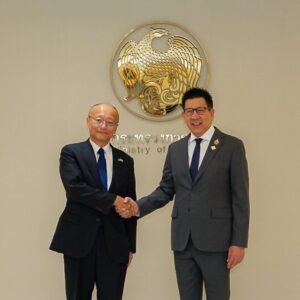
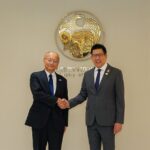
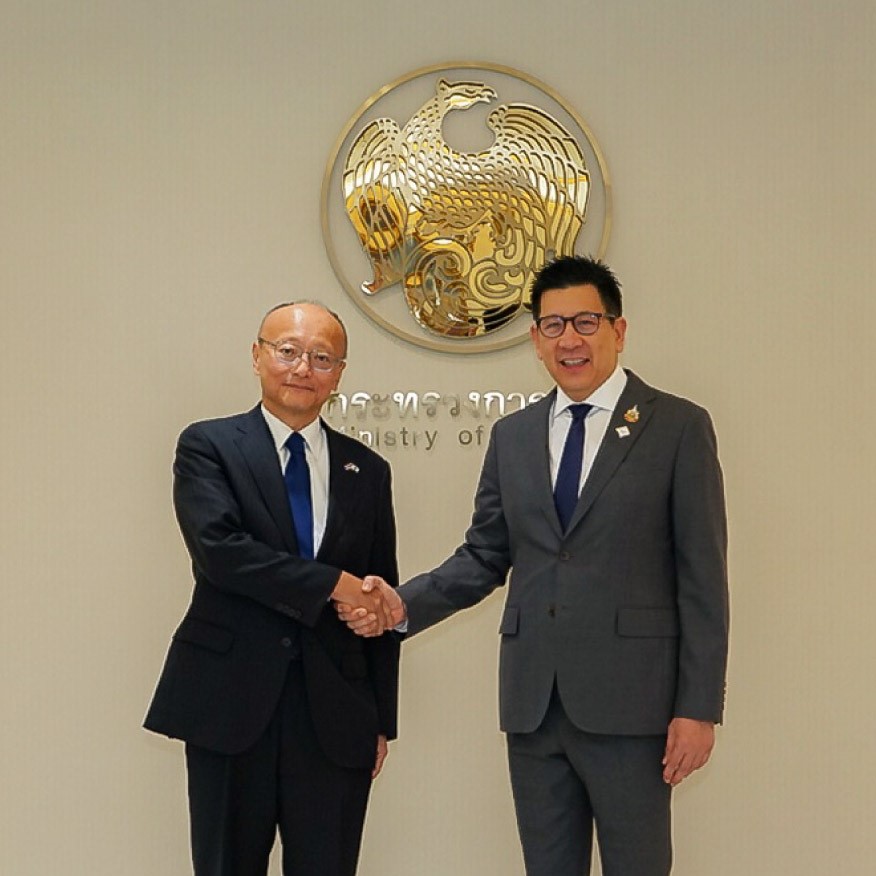
The financing was marked at a ceremony attended by ADB President Masato Kanda and Thailand’s Deputy Prime Minister and Finance Minister Ekniti Nitithanprapas.
The project represents ADB’s first sovereign loan to Thailand specifically targeting the health sector.
Five regional hospitals to receive infrastructure upgrades
The programme will support hospitals in Chiang Mai, Nakhon Sawan, Kanchanaburi, Chanthaburi and Nakhon Ratchasima.
The investment aims to address regional disparities in access to advanced healthcare by increasing specialist treatment capacity outside the capital.
Currently, patients requiring certain complex medical procedures must travel to Bangkok, creating additional financial and logistical challenges for families.
The planned upgrades will expand the availability of specialist services closer to patients’ homes, reducing the need for long-distance travel.
“Where a person lives should not determine the quality of care they receive,” Kanda said.
“This investment will bring specialist treatment closer to millions of people and spare more families the burden of long journeys when someone is seriously ill.”
The project will also strengthen digital health services, improve accessibility for people with disabilities and provide training for medical professionals.
Climate resilience and resource efficiency included in design
The hospital investment incorporates climate resilience and sustainability requirements into the planned infrastructure improvements.
New facilities will be designed to better withstand flooding and extreme weather events, reflecting the need to maintain essential healthcare services during environmental disruptions.
The project will also introduce measures to reduce energy and water consumption.
These requirements form part of the broader hospital modernisation programme, combining improvements in clinical capacity with upgrades to the physical infrastructure supporting healthcare delivery.
For the organisations responsible for implementation, the programme will involve coordinating construction and facility improvements across five geographically dispersed hospital sites.
The investment also combines physical infrastructure development with digital health improvements, workforce training and accessibility measures.
Additional $2m grant to support implementation
Alongside the $302.21 million project investment, a separate $2 million technical assistance grant will be provided through the Japan Fund for Prosperous and Resilient Asia and the Pacific.
The grant will support hospital improvements and health workforce development.
The overall financing arrangements therefore combine sovereign lending, national government funding and additional technical assistance.
ADB said the programme builds on its previous support for Thailand’s COVID-19 response and wider regional health initiatives.
The investment also forms part of the bank’s broader engagement with Thailand and other Southeast Asian countries on infrastructure resilience and sustainable development.
Wider infrastructure cooperation includes flood protection
During their meeting, Kanda and Ekniti also discussed Thailand’s infrastructure and economic development priorities.
Kanda welcomed Thailand’s decision to advance preparations for a major flood and drought resilience project along the Chao Phraya River.
The initiative is intended to strengthen the country’s ability to manage water-related risks, including flooding and periods of drought.
The discussions also covered ADB’s expanding private sector investment activities in Thailand, including renewable energy, battery storage and energy-efficient digital infrastructure.
The hospital programme adds a major healthcare component to this wider investment relationship.
While the financing package and hospital locations have been confirmed, the announcement did not specify individual construction schedules, procurement arrangements or completion dates for the five facilities.
The project will focus on expanding regional treatment capacity, strengthening healthcare infrastructure and improving access to specialist medical services for an estimated 14 million people.