
Learning to Think Beyond the Task List
Task lists are useful. They create structure, show what needs doing and help project managers keep work moving. For early-career PMs,

Task lists are useful. They create structure, show what needs doing and help project managers keep work moving. For early-career PMs,

Project management careers rarely move in a straight line. A project coordinator becomes a project manager. A project manager moves into

Project management is full of frameworks, templates and processes. They all matter. But at some point, every project manager faces a

Project managers negotiate constantly, even when the word is never used. They negotiate timelines, resources, scope, priorities, stakeholder expectations and the

Project managers are often taught to manage plans, risks, budgets and stakeholders. Less often are they taught how organisations really work.

Learning and development is often treated as something separate from the day job. A course is booked, a webinar is attended,

Project managers are often expected to be the calm centre of a project. They coordinate the moving parts, manage the pressure,

Project management is a profession built on change. New tools emerge, delivery models evolve, stakeholder expectations shift, and organisations constantly ask
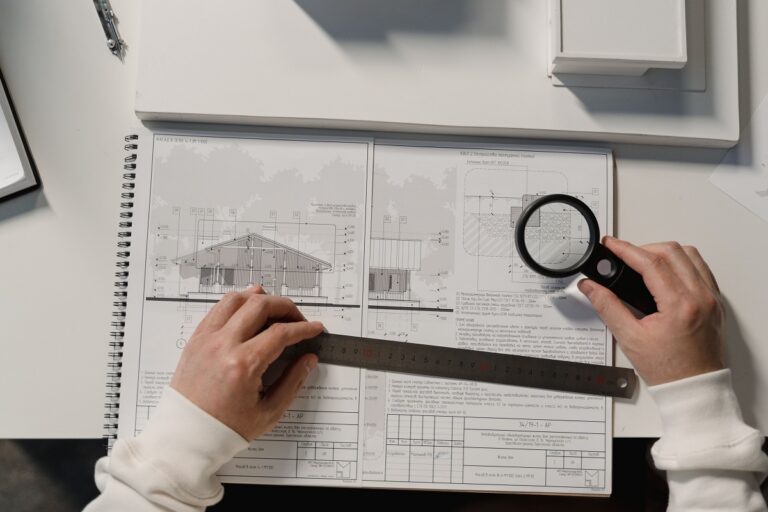
Project management is full of obvious risks: missed deadlines, budget pressure, resource shortages and stakeholder disagreements. These are the issues that

For many project managers, admitting uncertainty feels uncomfortable. There is often an unspoken expectation that the PM should have the answers,