
The World Bank has approved a $600 million, 10-year programme to strengthen Serbia’s gas infrastructure and improve the security, reliability and resilience of the country’s energy supply.
The Serbia Gas Sector Development Program will combine investment in gas transmission and underground storage infrastructure with regulatory reforms, institutional strengthening and improvements to sector planning.
The programme will be delivered using the World Bank’s Multiphase Programmatic Approach, allowing investments and reforms to be implemented through a series of phases over the next decade.
It is also expected to bring in additional development partners and private sector participation as individual elements of the programme progress.
First phase receives €170m
The first phase will receive €170 million, equivalent to approximately $195.5 million, in World Bank financing.
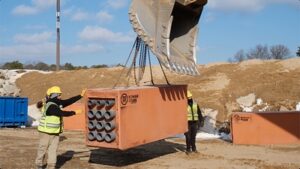
Initial investment will focus on improving the security and reliability of Serbia’s gas supply, including development of the Trupale-Pojate gas transmission pipeline.
Alongside physical infrastructure, the first phase will support organisational, institutional and technical capacity building.
Over the wider 10-year programme, investment will target bottlenecks in Serbia’s gas transmission system and improvements to underground gas storage infrastructure.
The programme will also seek to strengthen governance and develop the regulatory and planning frameworks required to support Serbia’s longer-term energy development plans and future European Union accession objectives.
Programme targets long-term energy resilience
The World Bank said households, businesses, industrial consumers and district heating companies across Serbia are expected to benefit from improved energy security.
Aisha Williams, World Bank Group Country Manager for Serbia, said: “Natural gas plays an important transition role as Serbia reduces reliance on coal and oil products and increases the use of alternative energy sources including renewables.
“The primary beneficiaries of this program include households, businesses, industrial consumers and district heating companies countrywide. Improved energy security will support economic growth, the private sector, and jobs.”
The Multiphase Programmatic Approach provides a framework for delivering the programme over a longer period rather than treating the planned infrastructure and institutional reforms as individual interventions.
The initial Trupale-Pojate pipeline investment and capacity-building work will therefore form the first stage of a broader decade-long programme combining infrastructure delivery, sector reform and institutional development.