
Power Construction Corporation of China (POWERCHINA) is incorporating biodiversity conservation into the planning and construction of international renewable energy projects, integrating species protection, wildlife relocation and habitat preservation into its environmental management and construction schedules.
The company has outlined measures implemented across three renewable energy developments in Colombia and Egypt, demonstrating how environmental requirements are being incorporated into site operations, resource planning and infrastructure design.
The projects include the 250.8 MWp Santander solar development and Guayepo 3 solar project in Colombia, alongside the 500 MW Amunet wind project in Egypt.
Dedicated ecological team supports Santander solar project
Construction of the Santander solar project began in April 2026, supported by a dedicated environmental team comprising eight biological specialists and one veterinarian.
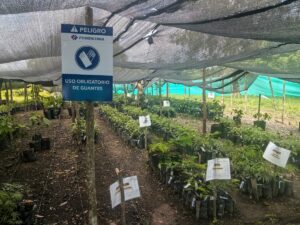
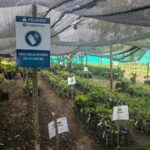
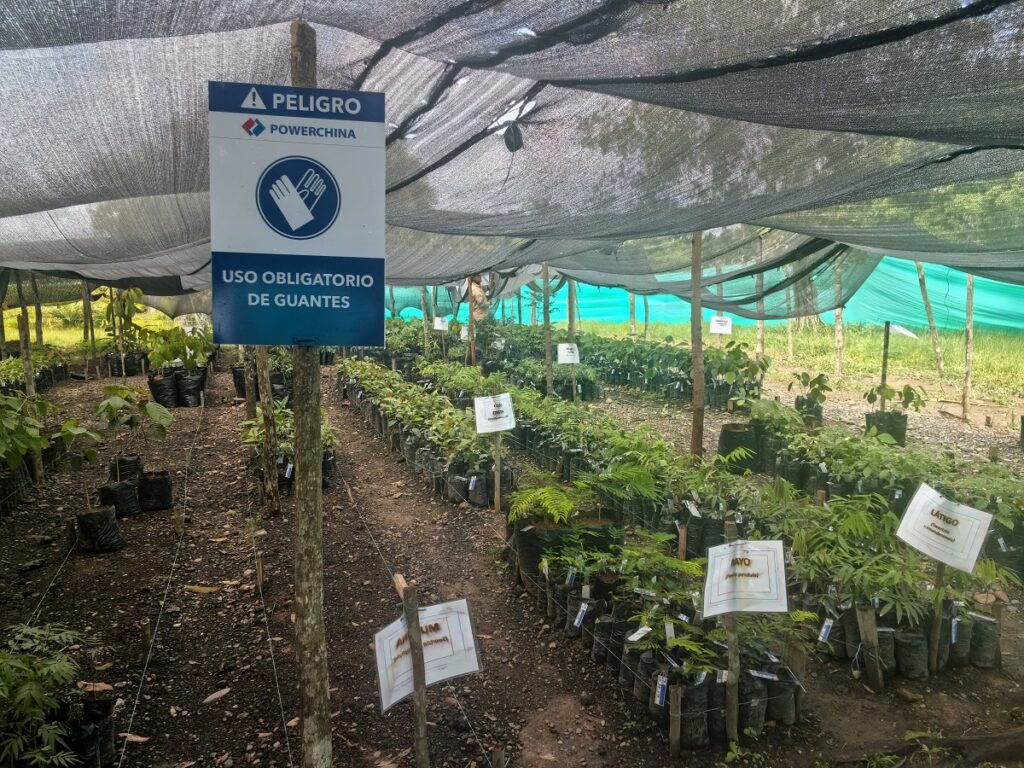
The project has established a 500-square-metre conservation nursery to support the rescue, care and transplantation of plants affected by construction activities.
According to POWERCHINA, 3,382 epiphytic plants have been rescued and successfully transplanted to alternative locations.
Each plant is assigned an individual identification code, enabling the environmental team to maintain records throughout collection, nursery care, transplantation and subsequent monitoring.
The project has also established an on-site wildlife emergency rescue centre, providing facilities for assessing, treating and releasing injured or trapped animals encountered during construction.
These activities are managed in accordance with local environmental permit requirements and the project’s environmental management plan.
Wildlife protection incorporated into construction schedules
At the Guayepo 3 solar project in Colombia, ecological monitoring has informed infrastructure design and construction planning.
Using infrared cameras to monitor animal movements, the project team has established four dedicated wildlife passages connecting habitats separated by project infrastructure.
Construction schedules also incorporate measures to protect nesting birds.
When workers discover nests or eggs, affected areas are protected and construction activities are temporarily suspended locally until the birds leave naturally.
This introduces ecological considerations directly into construction sequencing, requiring site teams to accommodate environmental restrictions alongside existing delivery milestones.
Environmental requirements influence wind farm design in Egypt
At the 500 MW Amunet wind project in Egypt, POWERCHINA has implemented measures to protect Egyptian spiny-tailed lizards during construction.
Specialist teams inspect burrows, relocate animals and provide temporary care before releasing them into suitable alternative habitats.
Post-relocation monitoring is undertaken to assess the outcomes of these activities.
Environmental considerations have also influenced the layout of wind turbines, access roads and transmission lines, with designs adjusted to minimise disturbance to desert surfaces and wildlife habitats.
The approach incorporates biodiversity protection into engineering and design decisions rather than relying exclusively on mitigation measures during construction.
Environmental governance and stakeholder engagement
At Santander, POWERCHINA has conducted project briefings with local communities, government agencies and stakeholders holding land rights to communicate construction plans and environmental protection measures.
The company has also introduced ecological education activities in local communities and schools.
POWERCHINA says it is extending similar environmental management practices across international projects in South Africa, Côte d’Ivoire, Laos and Poland, incorporating biodiversity requirements into planning, construction and operational activities.
For renewable energy project managers, these measures illustrate how environmental obligations can influence resource allocation, construction sequencing, engineering design, stakeholder engagement and long-term monitoring.
The company has not disclosed the associated environmental management costs, impact on construction schedules or independently verified long-term conservation outcomes.