
The World Bank Group has approved a major new investment to improve water security across three vulnerable Philippine island provinces, combining climate-resilient infrastructure with institutional reform in a programme expected to create more than 46,000 jobs over the next 25 years.
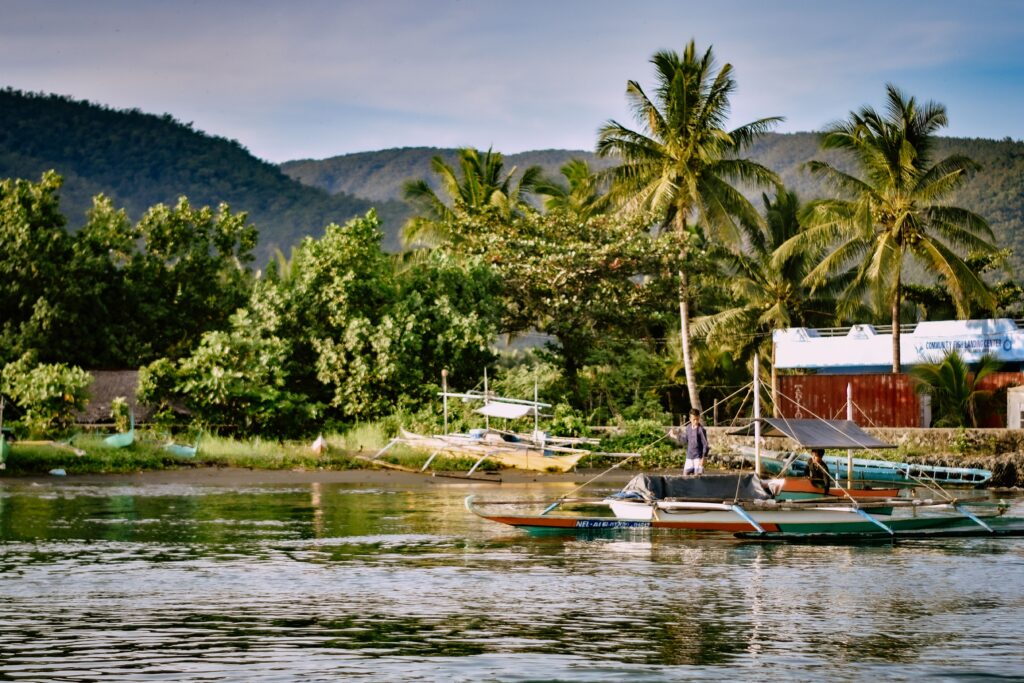
The Philippines Accelerated Water and Sanitation Project in Selected Areas (AWSPSA) will expand access to safe drinking water and sanitation in Bohol, Siargao and Jolo, while strengthening resilience against increasingly frequent floods and droughts linked to climate change.
Backed by US$250.87 million in World Bank financing as part of a US$268.62 million programme, the project marks the first comprehensive initiative in the Philippines to address the entire water and sanitation value chain, from water source development through to sanitation infrastructure and hygiene services.
Climate resilience meets economic development
The project aims to tackle long-standing water access challenges that have constrained economic development in some of the country’s most climate-exposed island communities.
New investments will include climate-resilient water supply systems, storage facilities, distribution networks, sanitation infrastructure and water, sanitation and hygiene (WASH) facilities designed to withstand increasingly volatile weather conditions.
Beyond improving public health, the programme is expected to become an economic catalyst.
The World Bank estimates the initiative will create around 8,700 jobs within five years of completion, rising to approximately 46,500 jobs over a 25-year period as improved water infrastructure supports tourism, local businesses and wider economic activity.
Reliable water supplies are also expected to benefit schools, healthcare facilities, daycare centres and the tourism sector, which plays a significant role in island economies such as Bohol and Siargao.
Zafer Mustafaoğlu, World Bank Division Director for the Philippines, Malaysia and Brunei, said the programme addresses multiple challenges simultaneously.
“This project tackles the core drivers of water insecurity and service gaps—climate vulnerability, operational inefficiencies, and financing constraints—while prioritising the needs and voices of women, youth, and vulnerable communities.”
Programme delivery beyond infrastructure
From a project management perspective, AWSPSA demonstrates how infrastructure programmes are increasingly expected to deliver institutional as well as physical outcomes.
Alongside construction works, the programme includes measures to strengthen governance, improve the performance of local water service providers and build institutional capacity for long-term asset management.
The project will also pilot new approaches to collaboration between national and local government, providing a potential delivery model for achieving the Philippines’ national water and sanitation objectives and the UN Sustainable Development Goal 6 on clean water and sanitation.
Managing these parallel workstreams will require robust programme governance, stakeholder engagement and benefits realisation processes, particularly given the involvement of multiple government departments, local authorities and private sector partners.
A long-term regional strategy
AWSPSA also represents the first phase of the World Bank’s wider Multi-Phase Programmatic Approach (MPA) on Water Security and Resilience in East Asia and the Pacific, signalling a longer-term commitment to improving climate resilience across the region.
The selection of Bohol, Siargao and Jolo followed a structured prioritisation process that considered poverty levels, existing water access gaps, exposure to climate hazards and project readiness, including feasibility studies, permits and local government support.
For project professionals, the programme illustrates the growing importance of integrated delivery models that combine infrastructure investment with governance reform, institutional strengthening and economic development objectives.
Rather than treating water infrastructure as a standalone engineering challenge, AWSPSA adopts a programme management approach that recognises reliable water services as an enabler of broader social and economic outcomes. As climate pressures intensify across Southeast Asia, this type of integrated, multi-sector programme is likely to become an increasingly common model for international development investment.