
The International Atomic Energy Agency (IAEA) and the Food and Agriculture Organization of the United Nations (FAO) have launched a new international research programme to strengthen efforts to contain the resurgence of the New World screwworm across the Americas, using one of the world’s most successful examples of nuclear technology applied to pest management.
The five-year initiative, coordinated through the Joint FAO/IAEA Centre of Nuclear Techniques in Food and Agriculture, will bring together experts from more than 20 countries to improve the application of the Sterile Insect Technique (SIT), as governments race to prevent the livestock pest from spreading further across Central America, Mexico and the United States.
The programme comes as the United States confirmed its first New World screwworm case in more than four decades, highlighting the growing need for coordinated international project delivery to tackle transboundary biological threats.
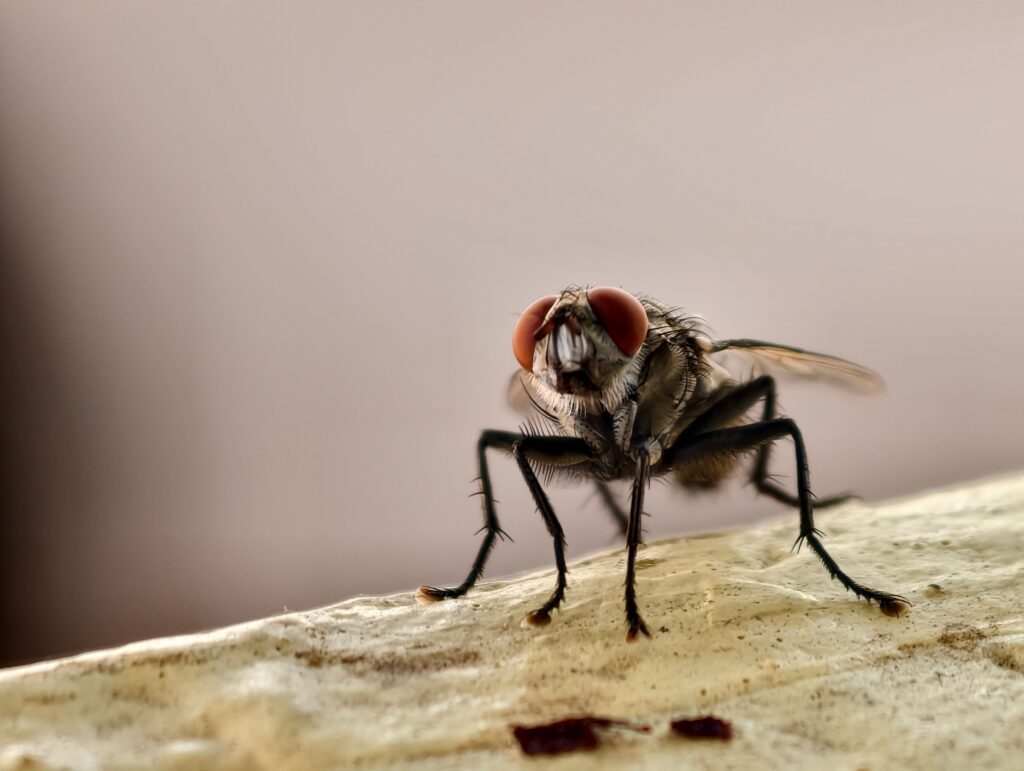
The New World screwworm is a parasitic fly whose larvae feed on the living tissue of warm-blooded animals, causing severe injuries that can become fatal if left untreated. The pest poses a significant threat to livestock production, wildlife, animal welfare and rural economies.
The coordinated research project will focus on improving every stage of sterile insect production and deployment, including mass-rearing, sterilisation, quality assurance, release techniques and monitoring. Researchers will also investigate insect behaviour and mating competitiveness to improve programme effectiveness.
The Sterile Insect Technique has previously demonstrated its effectiveness through one of the largest international pest eradication programmes ever undertaken. Between the 1950s and 2006, coordinated programmes successfully eliminated the New World screwworm from the United States, Mexico and Central America, with a biological containment barrier maintained in Panama until the pest re-emerged north of the barrier in 2022.
That earlier programme is estimated to have delivered annual economic benefits of approximately US$1.3 billion to livestock producers across the region.
“The return of New World screwworm is already causing serious damage in the region, threatening animals, livelihoods and economies,” said IAEA Director General Rafael Mariano Grossi.
“Through nuclear science and technology, and by coordinating with a new generation of researchers, the IAEA is helping countries strengthen the tools they need to detect, suppress and ultimately control this devastating pest.”
Current response efforts face a significant delivery challenge.
Experts estimate that controlling the outbreak could require the weekly release of up to 600 million sterile flies. However, the only operational mass-rearing facility, operated by the US-Panama Commission for the Eradication and Prevention of Screwworm (COPEG) in Panama, currently produces around 100 million sterile flies each week.
Additional production facilities under development in Mexico and Texas are expected to increase overall capacity by up to 400 million flies per week over the coming years, but significant production gaps remain.
Alongside expanding sterile insect production, the programme will strengthen surveillance systems, improve monitoring techniques and support complementary control measures, including livestock treatment and targeted insecticide application.
FAO Director-General QU Dongyu said the outbreak demonstrated the importance of sustained international collaboration.
“The New World screwworm outbreak in Central America, Mexico and the United States is a timely warning that pests and diseases never respect territories, and addressing this re-emerged threat requires vigilance, international cooperation, and sustained coherent management in monitoring, science and innovation.”
Containing the New World screwworm requires the coordination of research institutions, production facilities, national governments, veterinary agencies and international organisations across multiple countries over several years. Success depends on aligning scientific capability with operational logistics, manufacturing capacity, funding, surveillance and stakeholder coordination.
The programme also highlights the importance of capacity planning in large-scale international projects. While the Sterile Insect Technique itself is well proven, the current shortage of sterile flies illustrates how delivery capability can become the critical constraint, even when the underlying technology is established.
The new coordinated research project, backed by an initial US$1 million budget and strengthened by a recent US$1.5 million contribution from the United States, aims to address those delivery bottlenecks and rebuild the programme capacity needed to prevent a wider regional resurgence of one of agriculture’s most destructive pests.