
Climate change is impacting global seafood supplies, with rising ocean temperatures and acidification threatening marine species. In Japan, declining fish stocks and kelp yields highlight the urgency of the situation. Researchers are tackling these challenges through innovative aquaculture projects.
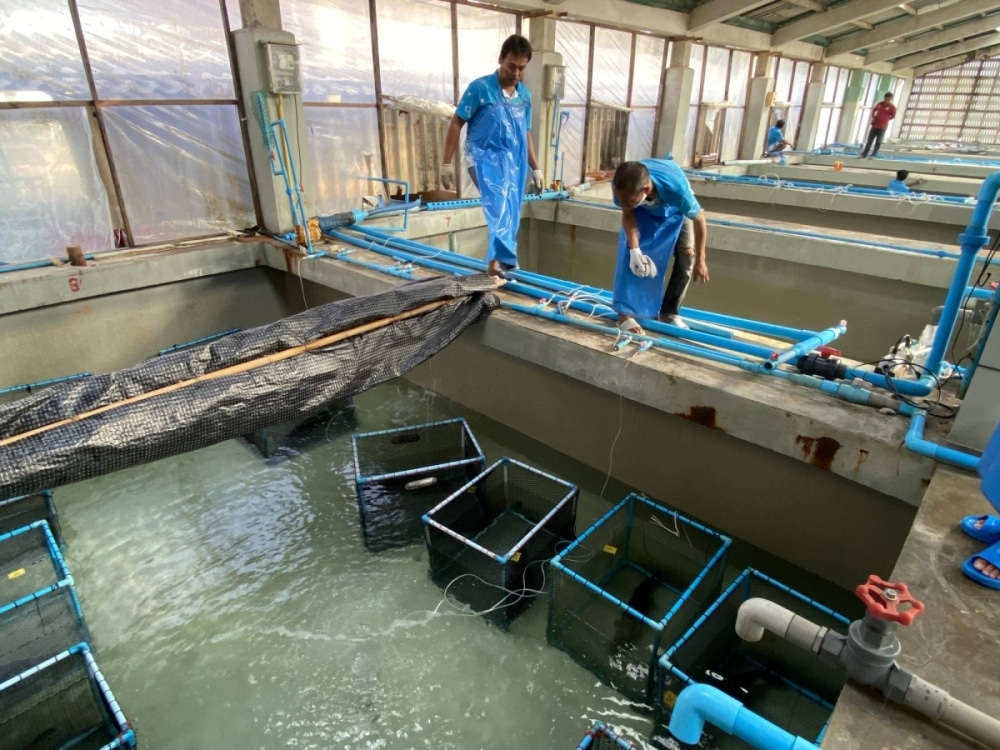
Professor Ikuo Hirono leads the Thai Fish Project, promoting sustainable farming of native species like Asian seabass and banana shrimp to combat the negative impacts of invasive species. Successes include developing new seabass feed and achieving artificial insemination for banana shrimp. The project aims to expand these techniques to other Southeast Asian nations.
Meanwhile, land-based seaweed farming offers a solution to declining kelp forests. KaisouLab’s “Best Practice” project combines two seaweed species for year-round harvesting, demonstrating a globally applicable method for stable food production.
These efforts represent a critical step towards ensuring a sustainable seafood future in the face of climate change