
ExxonMobil Global Projects has selected Sercel‘s Marlin maritime operations platform to support simultaneous offshore activities on the Whiptail development in Guyana, underlining the growing importance of digital coordination tools as offshore energy projects become larger, more complex and increasingly congested.
The one-year contract will see Sercel deploy its Marlin SIMOPS (Simultaneous Operations) solution during pipelay and mooring installation campaigns on the Whiptail project, part of the prolific Stabroek Block offshore Guyana.
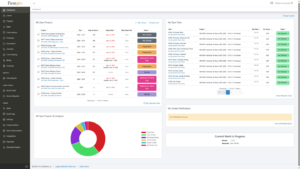
The deployment is intended to improve operational coordination by giving project teams a live, time-based geospatial view of vessels and offshore assets operating simultaneously across the project area.
As offshore developments continue to increase in scale, multiple contractors, specialist vessels and installation activities often need to operate within the same field at the same time. Managing these concurrent activities safely and efficiently has become a significant project management challenge.
Supporting one of the world’s busiest offshore developments
Guyana has rapidly become one of the world’s fastest-growing offshore oil provinces, with ExxonMobil leading a succession of major developments in the Stabroek Block.
Whiptail is among several large capital projects planned for the region, requiring extensive subsea installation, offshore construction and marine logistics before production can begin.
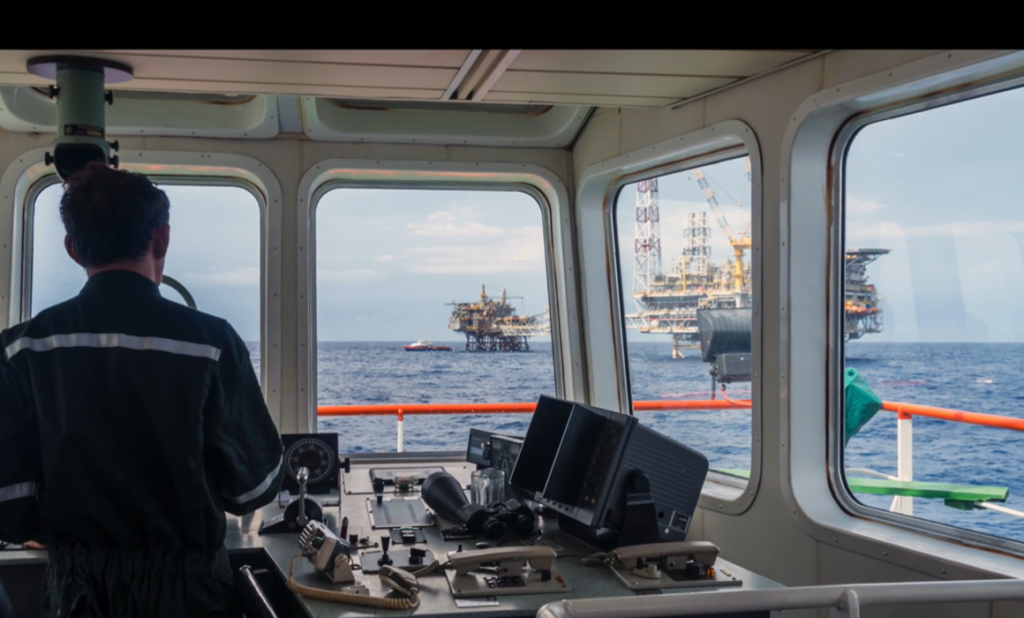
These projects involve hundreds of personnel and numerous specialist vessels carrying out overlapping activities, including:
- Pipeline installation
- Mooring system installation
- Heavy-lift operations
- Supply vessel movements
- Inspection and survey work
Maintaining visibility across these activities is essential for both safety and schedule performance.
According to Sercel, the Marlin platform provides operators with a live operational picture that supports planning, coordination and execution throughout complex offshore campaigns.
Alongside the software itself, the contract includes system configuration, onboarding, operational reviews and 24/7 support.
Jérôme Denigot, CEO of Sercel, said:
“With offshore activity accelerating across Latin America, the Middle East, Southeast Asia and West Africa, our Marlin field-proven SIMOPS solution enables operators to better manage their most complex offshore developments.”
Digital coordination becomes a project management capability
Although digital technologies often receive attention for improving engineering or asset performance, this announcement highlights another important trend: the digitisation of project execution itself.
Large offshore projects increasingly depend on real-time operational awareness rather than traditional planning tools alone.
Marine logistics, vessel scheduling and offshore construction have become dynamic activities where plans frequently need to adapt to changing weather conditions, equipment availability and evolving installation sequences.
Digital coordination platforms provide project teams with a shared operational view, reducing the risk of conflicting activities and improving communication between contractors.
For major capital programmes, this can have a direct impact on productivity as well as safety.
Analysis
The selection of Marlin reflects a broader shift in how complex energy projects are being delivered.
As offshore developments become larger and involve more simultaneous work fronts, coordination is emerging as a competitive advantage rather than simply an operational requirement.
Historically, SIMOPS management relied heavily on meetings, spreadsheets and radio communications. While these remain important, today’s mega-projects increasingly require digital platforms capable of integrating live operational data across multiple contractors and assets.
This is particularly relevant in regions such as Guyana, where rapid investment has created one of the busiest offshore construction environments in the world.
For project professionals, the significance extends beyond maritime operations. It demonstrates how digital delivery tools are becoming embedded within project execution, enabling teams to make faster, evidence-based decisions while reducing operational risk.
Ultimately, technologies such as Marlin are less about replacing project management and more about enhancing it. As capital projects grow in complexity, success will increasingly depend on giving delivery teams the visibility needed to coordinate multiple activities safely, efficiently and in real time.