
A new US$642 million regional programme is set to strengthen the pipeline of skilled workers needed to deliver major infrastructure, energy and economic development projects across West and Central Africa.
The World Bank-backed Skills for Innovation, Resilience, and Aspirations (SIRA) Programme will help bridge the gap between education and employment by equipping millions of young people with market-relevant technical and vocational skills aligned to the region’s growing project economy.
Initially launching in Cabo Verde, Côte d’Ivoire and Guinea, the first phase is expected to reach around 5.4 million young people, with a particular focus on women and those currently outside education or employment.
Building the Workforce Behind Future Projects
Across Western and Central Africa, approximately six million young people enter the labour market every year, while governments continue investing heavily in transport, energy, manufacturing, healthcare, tourism and agribusiness.
However, many employers continue to report shortages of workers with the technical and professional skills needed to deliver increasingly complex projects.
Rather than focusing solely on education, SIRA aims to create stronger pathways between learning and employment by aligning training programmes with labour market demand and expanding links between educational institutions and industry.
The initiative forms part of the World Bank’s wider Jobs Agenda, which places employment creation at the centre of long-term economic development.
Supporting Project-Driven Growth
For project professionals, the programme highlights a challenge facing many emerging economies: ambitious infrastructure programmes can only succeed if there is sufficient local capability to deliver them.
As investment accelerates across sectors including renewable energy, digital infrastructure, manufacturing and healthcare, organisations increasingly require engineers, project managers, technicians and skilled trades capable of supporting delivery throughout the project lifecycle.
By strengthening vocational education systems and improving connections between employers and training providers, the programme aims to create a workforce better equipped to support both public and private sector investment.
Country-Specific Focus
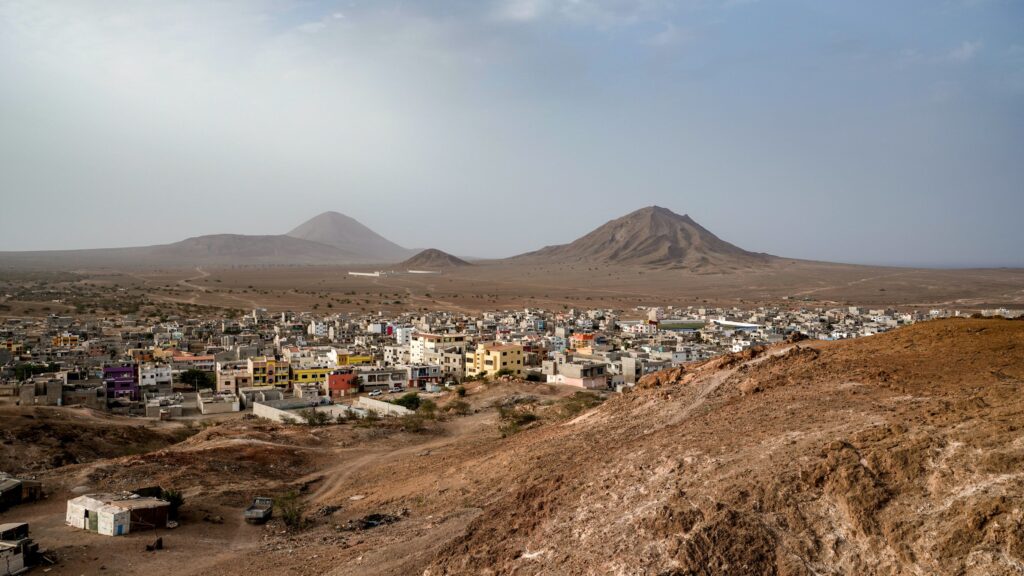
In Cabo Verde, the programme will focus on expanding employment opportunities for people aged between 15 and 35 while strengthening certification programmes and skills development in sectors experiencing labour shortages.
The initiative is expected to benefit around 50,000 young people through improved access to employment, vocational training and entrepreneurial opportunities.
In Côte d’Ivoire, more than 900,000 young people are expected to benefit through reforms designed to better connect vocational and higher education with labour market needs. The programme also supports the country’s National Development Plan by positioning skills development as a driver of industrial growth and private sector investment.
Meanwhile, Guinea will use the programme to modernise secondary education, expand technical and vocational training and support entrepreneurship, particularly in sectors linked to its long-term Simandou Vision 2040 strategy. Around 2.7 million young people are expected to benefit.
Priority industries include agribusiness, energy and digital technologies.
Skills as Critical Project Infrastructure
While infrastructure investment often focuses on physical assets such as roads, power networks and industrial facilities, SIRA reflects a growing recognition that human capital is equally critical to successful project delivery.
Large-scale programmes depend not only on financing and engineering capability but also on technicians, supervisors, planners and skilled professionals capable of operating and maintaining new infrastructure over the long term.
For project leaders, the initiative reinforces the importance of workforce development as a strategic enabler of project success.
As governments across Africa continue investing in economic transformation, building sustainable project capability increasingly depends on strengthening the skills ecosystem alongside the infrastructure itself.